Premise
When a severe toothache strikes, the throbbing pain can be so overwhelming that your only thought is, “Just pull it out!” The appeal of a quick extraction is understandable; you simply want the discomfort to end immediately. However, making a permanent decision in a moment of temporary pain can lead to a lifetime of complex dental issues. While extracting a tooth might seem like the fastest and cheapest way out of a dental emergency, it sets off a biological chain reaction in your mouth that is far more costly and complicated to fix. Modern dentistry strongly advocates for saving your natural tooth whenever possible, and the premier method for doing so is root canal therapy. Understanding why your natural tooth is irreplaceable is the key to maintaining a healthy, functional, and complete smile for the rest of your life.
Introduction
Inside every healthy tooth lies a chamber containing the dental pulp—a network of nerves, blood vessels, and connective tissues that help the tooth grow and mature. When a tooth suffers from deep decay, a severe crack, or trauma, bacteria can infiltrate this inner sanctum, causing an agonizing infection. Left untreated, this infection can lead to an abscess, swelling, and systemic health risks. At this critical juncture, you are faced with a choice: extract the tooth entirely, or save it with a root canal treatment.
Historically, root canals have carried an unearned reputation for being painful or frightening. This stigma is largely a relic of the past. Today, thanks to profound local anaesthetics, advanced rotary instruments, and modern techniques, a root canal is no more uncomfortable than receiving a standard dental filling. During the procedure, the dentist simply cleans out the infected pulp, sanitizes the interior canals, and seals the space to prevent future bacterial invasion. The tooth is then capped with a protective crown, restoring its full strength and function.
Conversely, an extraction removes the entire tooth—root and all. While it eliminates the infection, it leaves behind a gaping hole in your jawbone. This empty space is not just a cosmetic issue; it is a structural defect that compromises your chewing efficiency, threatens your jawbone density, and inevitably requires highly invasive, expensive replacements like dental implants or bridges to correct.
Here are ten detailed points exploring why a root canal is almost always superior to a tooth extraction:
- The Crucial Preservation of Jawbone Density Your jawbone requires constant mechanical stimulation to remain strong and dense. Every time you chew, the roots of your natural teeth send stress signals down into the bone, telling your body to direct essential nutrients and minerals to that area. When a tooth is extracted, the root is removed, and this vital stimulation ceases. Almost immediately, the body begins to resorb (break down) the bone tissue in that empty space because it believes the bone is no longer needed. Over time, this localized bone loss can cause the jaw to shrink, leading to a sunken facial appearance and premature aging. A root canal saves your natural root, thereby preserving the structural integrity of your jawbone.
- Maintaining Peak Chewing Efficiency and Natural Feedback No synthetic material on earth can perfectly replicate the complex engineering of a natural tooth. Your natural teeth are suspended in the jawbone by the periodontal ligament, a highly sensitive membrane containing millions of microscopic nerve endings. This ligament provides “proprioception”—sensory feedback that tells your brain exactly how hard to bite down on a piece of food. When you chew on a natural tooth, you can instinctively feel the texture and resistance of your meal. If a tooth is extracted and replaced with an artificial substitute, this intricate sensory feedback loop is lost. By saving your tooth with a root canal, you retain your natural chewing dynamics and the sheer enjoyment of your favourite foods.
- Preventing the “Domino Effect” of Shifting Teeth Your teeth are designed to support one another, much like books tightly packed on a bookshelf. When one tooth is permanently removed, the surrounding teeth lose their lateral support. Over time, the teeth adjacent to the gap will naturally begin to tip, drift, and lean into the empty space. Furthermore, the opposing tooth in the opposite jaw may begin to erupt out of its socket, searching for a biting partner. This shifting completely alters your bite alignment, leading to crooked teeth, jaw joint (TMJ) pain, uneven wear on your remaining enamel, and new spaces where plaque can hide. A root canal keeps the “bookshelf” intact, maintaining your perfect bite.
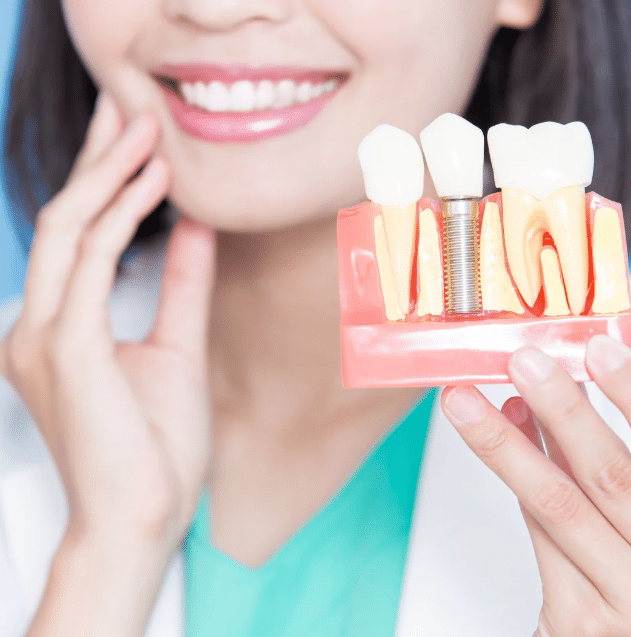
- Avoiding the Need for Complex, Invasive Replacements A common misconception is that an extraction is a “one-and-done” procedure. In reality, leaving an empty gap in your mouth is rarely a viable long-term option due to the shifting and bone loss mentioned above. Therefore, an extracted tooth almost always necessitates a replacement—typically a dental bridge or a dental implant. A bridge requires permanently shaving down the healthy adjacent teeth to anchor the artificial tooth, while an implant requires oral surgery to drill a titanium post into your jawbone, followed by months of healing. By choosing a root canal, you bypass the need for these complex, invasive, and multi-step replacement procedures entirely.
- The Truth About Pain Management and Relief The most persistent myth in dentistry is that root canals are painful. The truth is exactly the opposite: root canals do not cause pain; they relieve it. The agonizing throbbing you feel before the procedure is caused by the inflamed, infected nerve inside the tooth. The moment the dentist administers the local anaesthetic and removes that infected tissue, the source of your pain is eradicated. With modern techniques, the procedure is smooth and comfortable. In contrast, a tooth extraction is a traumatic surgical event that involves forcibly rocking and pulling a tooth from the bone, which often results in a significantly longer and more uncomfortable post-operative healing period.
- Long-Term Financial Cost-Effectiveness When comparing a dental fee guide, a simple extraction looks much cheaper upfront than a root canal and a crown. However, this is a false economy. If you extract a tooth, you must factor in the cost of replacing it to prevent structural collapse in your mouth. The cost of a single dental implant or a three-unit porcelain bridge is substantially higher than the combined cost of a root canal and a protective crown. Furthermore, a successfully treated root canal can last a lifetime, meaning you only pay for the restoration once. Choosing a root canal is a financially sound investment that protects your wallet from the heavy, long-term costs of tooth replacement.
- Aesthetic Harmony and Maintaining Your Natural Smile Even if the infected tooth is in the back of your mouth where it isn’t immediately visible, its absence can still affect your overall facial aesthetics. As the jawbone shrinks from a missing tooth, the cheeks can begin to hollow out. If a visible front tooth is extracted, the cosmetic impact is immediate and distressing. While modern implants and bridges look incredibly lifelike, nothing matches the exact colour, translucency, and contours of your original natural enamel. A root canal allows you to keep your own tooth, seamlessly preserving the organic harmony and beauty of your natural smile.
- Sparing Yourself from Slower Healing Timelines Recovering from a tooth extraction takes time. The extraction site must form a blood clot, the gums must close over the hole, and the underlying bone must heal—a process that requires dietary restrictions, careful cleaning to avoid “dry socket,” and days of soft foods. If you plan to get an implant later, you must wait months for the bone to fill in. A root canal, on the other hand, leaves the gums and bone completely intact. There is no open wound in your mouth to manage. Once the numbness wears off, you can generally return to your normal routine and a relatively normal diet almost immediately.
- Exceptional Success Rates and Predictability Root canal therapy is one of the most reliable and predictable procedures in modern medicine. When performed correctly, root canals have a success rate that exceeds 95%. Once the interior of the tooth is thoroughly sanitized and sealed with a biocompatible material called gutta-percha, the tooth is effectively safe from future internal infections. When topped with a durable, custom-fitted dental crown, the treated tooth regains its original strength and can withstand the heavy forces of daily chewing for decades. It is a highly proven, low-risk procedure that permanently saves teeth that would have otherwise been doomed to the extraction forceps.
- Respecting the Biological Perfection of the Human Body Dentistry has made incredible leaps in developing synthetic materials like titanium, zirconia, and porcelain. However, no human-made material is truly better than what nature originally provided. Your natural tooth has a biological relationship with your gums, your bone, and your immune system that cannot be perfectly replicated. It has natural defence mechanisms and a structural design optimized over millennia of human evolution. Extracting a tooth removes a vital organ of your digestive and anatomical system. A root canal respects this biological perfection by retaining your natural tissues and simply healing them from the inside out.
Conclusion
The dilemma of choosing between a root canal and a tooth extraction is a defining moment for your oral health. While an extraction may seem like the easiest way to silence a screaming toothache, it is a permanent loss that triggers a cascade of negative biological consequences. The loss of a natural root initiates jawbone deterioration, encourages adjacent teeth to shift out of alignment, and burdens you with the future financial and physical toll of acquiring dental implants or bridges.
Root canal therapy offers a profoundly better way forward. It is a conservative, highly successful treatment that eliminates infection while preserving the brilliant, natural engineering of your own tooth. By choosing to save your tooth, you maintain your natural biting force, protect the density of your jawbone, and keep your smile exactly as nature intended. Remember, no artificial replacement will ever truly equal the form and function of the tooth you were born with. When faced with a severe dental infection, investing in a root canal is an investment in a lifetime of confident, comfortable, and natural smiles.
Don’t Lose Your Natural Smile—Let Us Save Your Tooth Today!
Are you experiencing severe tooth pain and worried you might need an extraction? At Rainbow Dental Centre, our compassionate team utilizes the latest technology to perform comfortable, highly effective root canals to save your natural teeth. Don’t pull a tooth that can be rescued!
- Name: Rainbow Dental Centre
- Address: 1 Water Street, Angus, Ontario L0M 1B0
- Phone: 705 424 0873
- Email: angusrainbowdental@gmail.com
- Website: angusrainbowdental.ca
Rainbow Dental Centre: Preserving Your Natural Smile for a Lifetime.
-
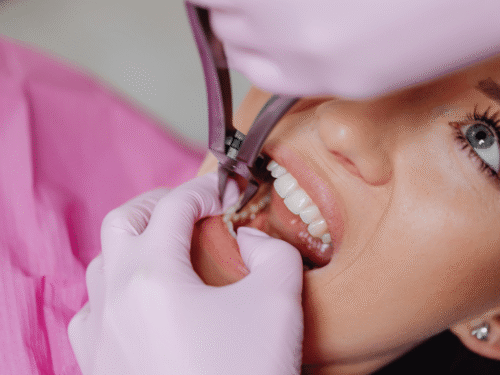
A1. No, a root canal does not hurt. The pain you feel before coming to the dentist is from the severe infection inside the tooth. We use profound local anaesthesia to completely numb the area before the procedure begins. Most of our patients compare the experience of getting a root canal to having a routine cavity filled.