Restoring Your Smile in Angus: How Dental Implants Enhance Facial Structure and Confidence
Premise
Tooth loss triggers a complex biological process that extends far beneath the surface of the gums, causing progressive jawbone deterioration, altered facial proportions, and compromised self-confidence. Dental implants provide the only restorative treatment that mimics natural tooth roots, actively preserving jawbone density, supporting the face’s natural structural contours, and restoring lifelong functional and emotional well-being for patients in Angus, Ontario.
Introduction
A full, healthy smile is fundamental to how we communicate, enjoy food, and express happiness. However, when a tooth is lost—whether due to decay, periodontal disease, or physical injury—the consequences affect much more than just aesthetics. Beneath the surface, the human jawbone requires constant mechanical stimulation from natural tooth roots to maintain its volume, shape, and density. Without this essential stimulation, the surrounding bone tissue begins to degrade through a natural biological process known as bone resorption.
Over time, bone loss alters the physical anatomy of the face. The lower third of the face can lose height, causing the lips to thin, the cheeks to sink inward, and the chin to move closer to the nose. These structural changes often result in an aged appearance that does not reflect how energetic or youthful a person feels on the inside. For residents in Angus and the surrounding Simcoe County region, modern implant dentistry offers a permanent, state-of-the-art solution. By functioning exactly like natural roots, dental implants not only rebuild broken smiles but also safeguard facial structure and restore unshakeable confidence.
Here are ten key ways dental implants preserve your facial aesthetics and enhance your quality of life.
1. Preventing Jawbone Resorption and Preserving Density
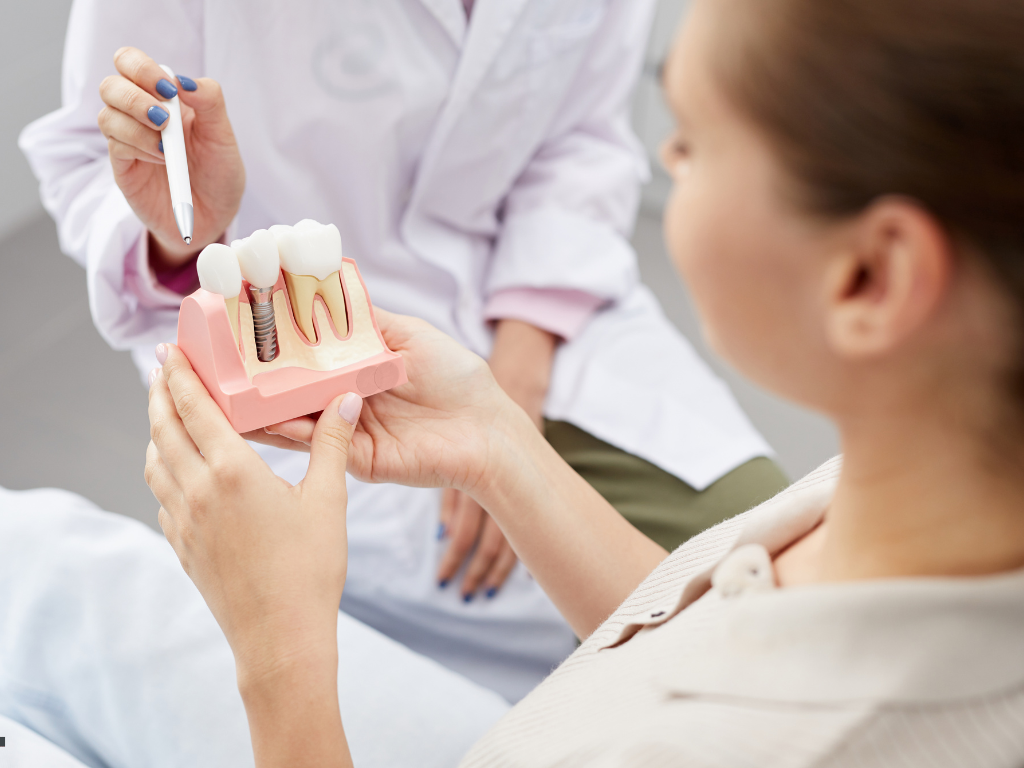
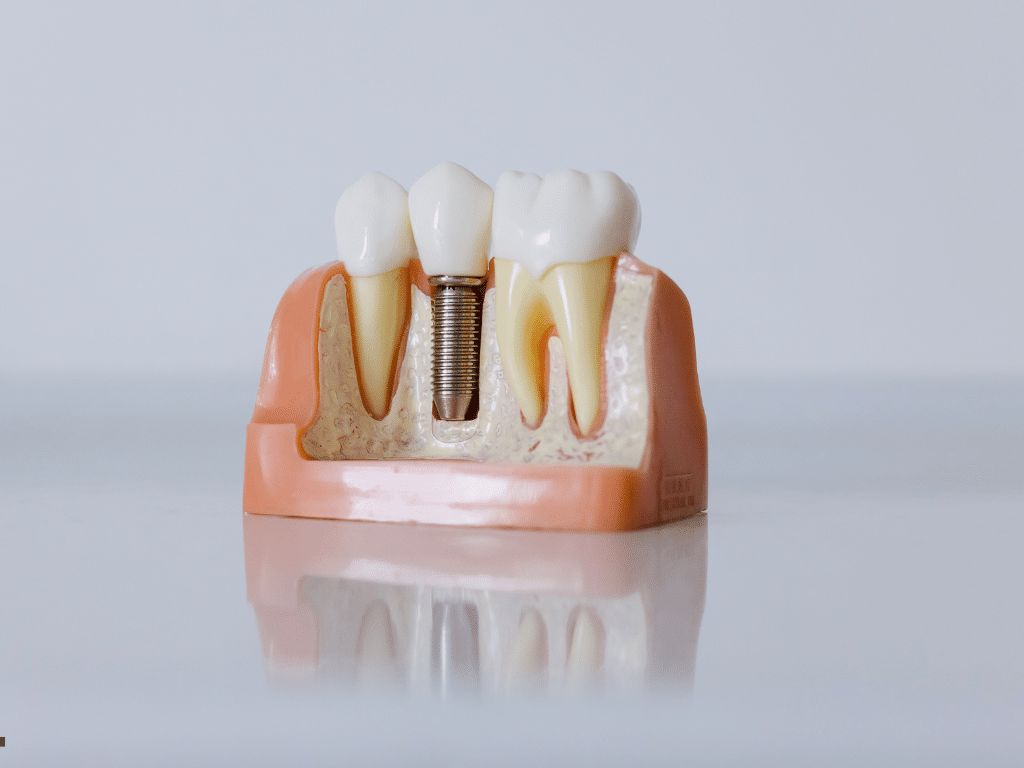
The most critical structural benefit of a dental implant lies in its ability to prevent jawbone deterioration. When a natural tooth root is absent, the body senses that the surrounding bone tissue is no longer serving its primary purpose and begins reabsorbing the minerals. Within the first year following a tooth extraction, a significant portion of the surrounding bone width can be lost if left untreated. Dental implants are constructed from biocompatible titanium posts that are surgically placed directly into the jawbone. Through a process called osseointegration, the bone tissue fuses directly to the post, recognizing it as a real root structure. This fusion restores the functional pressure needed during chewing, signalling the body to maintain healthy bone density and stopping bone loss in its tracks.
2. Maintaining Natural Facial Dimensions and Youthful Contours
As jawbone loss progresses following tooth loss, the distance between the tip of the nose and the base of the chin decreases—a clinical phenomenon known as a loss of vertical dimension. This collapse in the lower third of the face causes deep wrinkles to form around the mouth, severe marionette lines, sagging jowls, and hollowed cheeks. Traditional dentures rest on top of the gums and cannot prevent this underlying bone shrinkage, meaning facial collapse continues over time. Dental implants provide the internal structural support necessary to maintain your face’s natural height and contours. By upholding muscle tone and subcutaneous tissues, implants prevent premature facial aging and keep your facial profile looking balanced and youthful.
3. Restoring Full Bite Force and Nutritional Quality
Missing teeth or ill-fitting removable prosthetics significantly compromise biting power, forcing many individuals to adjust their diet. Hard, crunchy, or fibrous foods—such as raw vegetables, nuts, lean meats, and whole fruits—become difficult or painful to chew. This dietary restriction can lead to nutritional deficiencies and digestive issues over time. Because dental implants anchor directly into the jawbone, they restore up to 95 percent of natural biting force. Patients can enjoy a diverse, nutrient-rich diet without worrying about pain, slipping, or chewing limitations, directly supporting long-term health and vitality.
4. Eliminating the Instability of Traditional Dentures
Traditional removable dentures have long been a common fix for missing teeth, but they frequently come with uncomfortable trade-offs. Dentures can slip out of position while speaking, shift during meals, and cause painful pressure sores on the delicate mucosal tissues of the mouth. The fear of an embarrassing denture slip often leads individuals to withdraw from social situations. Dental implants act as fixed anchors that completely eliminate movement. Whether supporting a single crown, a bridge, or an entire arch of implant-supported dentures, implants remain firmly secured in place, providing total stability without the need for messy adhesives or powders.
5. Protecting Surrounding Natural Teeth from Shifting and Damage
Dental arches operate as cohesive units where every tooth relies on its neighbours for alignment and stability. When a gap is left vacant, adjacent teeth naturally begin to tilt, drift, or super-erupt into the empty space. This shifting disrupts your natural bite alignment (occlusion), creates hard-to-clean pockets that harbour harmful bacteria, and increases the risk of tooth decay and gum disease on neighbouring teeth. Furthermore, traditional dental bridges require grinding down healthy adjacent teeth to serve as support abutments. Dental implants stand independently, filling empty spaces without altering or damaging surrounding healthy tooth structure.
6. Boosting Self-Esteem and Psychological Well-Being
The psychological burden of missing teeth or unstable dentures can be profound. Many people develop subtle habits to hide their teeth, such as covering their mouth when laughing, holding back smiles in photos, or avoiding face-to-face conversations altogether. Over time, this self-consciousness can erode self-esteem and hinder personal and professional relationships. By restoring a natural-looking, complete set of teeth, dental implants offer a permanent boost to emotional well-being. Patients regain the freedom to smile, speak, and laugh spontaneously without second-guessing their appearance.
7. Delivering Exceptional Long-Term Durability
While initial restorative options like dental bridges or traditional dentures may carry a lower upfront cost, they frequently require replacement or adjustment every 5 to 10 years due to ongoing bone loss and material wear. In contrast, dental implants boast a success rate exceeding 95 percent and are designed as a lifelong investment. The titanium implant post itself can last a lifetime with proper oral hygiene and routine check-ups. This unmatched longevity makes implants one of the most reliable and cost-effective dental investments available for long-term health.
8. Enhancing Speech Articulation and Clarity
Clear speech relies on precise interactions between your tongue, teeth, and palate. Missing teeth—especially near the front of the mouth—or loose-fitting dentures can cause slurring, whistling, or muffled speech during everyday conversations. Dentures that shift on the palate can also alter vocal resonance and cause slurred pronunciation of key consonant sounds. Because dental implants are fixed firmly into the jawbone and matched precisely to your original tooth anatomy, they allow your tongue to move naturally, restoring crisp, clear, and confident speech articulation.
9. Simplifying Daily Oral Hygiene Routines
Maintaining traditional fixed bridges or removable dentures often requires specialized cleaning tools, threaders, soaking solutions, and complex daily routines. In contrast, caring for a single dental implant crown is virtually identical to caring for a natural tooth. Patients simply brush twice daily with fluoridated toothpaste, floss regularly around the crown, and visit their dental clinic for professional cleanings and examinations. This simplicity reduces the likelihood of plaque accumulation, inflammation, and peri-implant complications, keeping your entire mouth healthy for years to come.
10. Achieving a Customized, Seamless Aesthetic Result
Modern implant crowns are crafted using state-of-the-art dental porcelain and zirconia materials that closely match the optical properties of natural tooth enamel. Every crown is individually customized in shade, translucency, size, and shape to blend seamlessly with your surrounding natural teeth. Furthermore, because the implant emerges naturally from the gumline—just like a real tooth root—it creates a lifelike gum profile without visible metal margins or unnatural gaps. The result is a flawless, natural-looking smile that enhances your overall facial symmetry.
Conclusion
Missing teeth affect far more than just the surface appearance of your smile—they compromise your facial structure, your ability to chew comfortably, and your overall confidence. By integrating directly with your jawbone, dental implants provide a permanent, biological foundation that stops bone loss, preserves your youthful facial contours, and functions just like natural teeth. Investing in dental implants is ultimately an investment in your lifelong health, self-assurance, and quality of life.
Take the First Step Toward a Restored Smile
If you are ready to reclaim your confidence, protect your facial structure, and enjoy a complete, healthy smile, the expert team at Angus Rainbow Dental is here to guide you every step of the way. Contact us today to schedule your personalized dental implant consultation!
- Name: Rainbow Dental Centre
- Address: 1 Water Street, Angus, Ontario L0M 1B0
- Phone: 705 424 0873
- Email: angusrainbowdental@gmail.com
- Website: angusrainbowdental.ca
Rebuilding strong foundations, protecting facial beauty, and restoring confidence—one smile at a time in Angus.
-
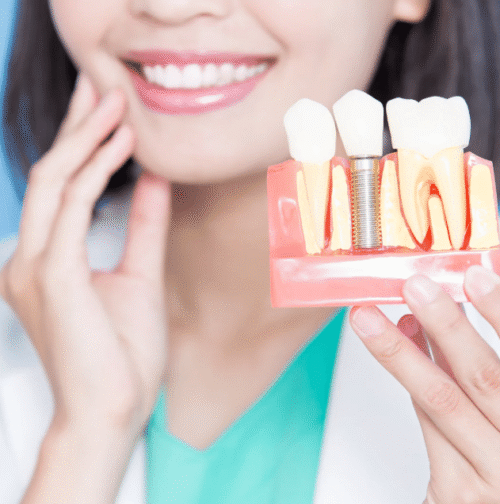
A1. Most adults in good general and oral health are excellent candidates for dental implants. Ideal candidates should have healthy gum tissue free of active periodontal disease and sufficient jawbone density to support the titanium post. If bone loss has already occurred, bone grafting procedures can often rebuild the necessary support before implant placement.