Premise
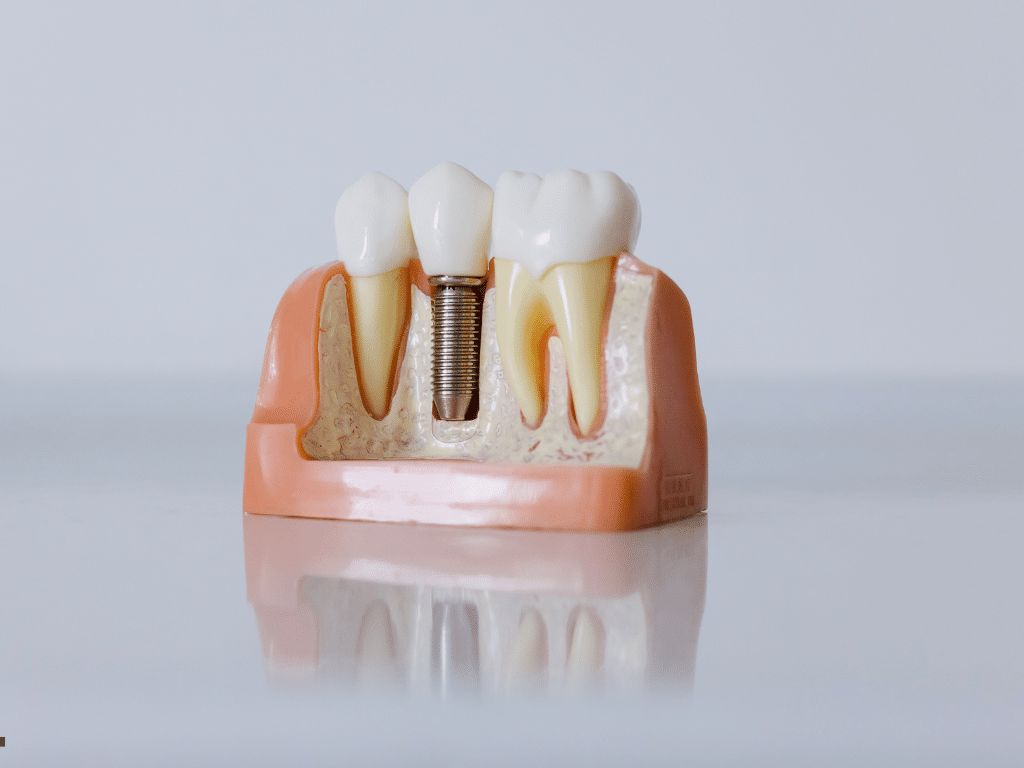
Tooth loss is fundamentally a structural and biological breakdown rather than merely a cosmetic issue. When a natural tooth is lost to trauma, fracture, or periodontal disease, the masticatory system loses both chewing efficiency and the vital mechanical stimulation that sustains alveolar bone density. Traditional dental bridges and removable dentures address surface aesthetics, yet they leave the missing root untreated while often requiring the irreversible reduction of adjacent healthy teeth. Dental implants represent the gold standard in permanent tooth replacement because they replicate the entire anatomical unit—from biocompatible titanium root to precision-crafted ceramic crown. Understanding the clinical phases of the dental implant journey demystifies surgical timelines, highlights the biology of osseointegration, and equips patients with realistic expectations for achieving lifelong oral stability.
Introduction
Losing a permanent tooth can be a distressing experience. Whether it happens suddenly due to an accidental sports injury or gradually as the result of a deep crack or persistent infection, missing teeth disrupt daily life in Angus and across Simcoe County. Chewing healthy, nutrient-rich foods becomes awkward, self-consciousness creeps into conversations, and adjacent teeth begin an unhelpful drift into the empty space.
For decades, patients had limited tooth replacement options: a removable partial denture that could slip or pinch, or a fixed bridge that required grinding down the enamel of two healthy neighbouring teeth. Modern implant dentistry has completely replaced these compromises with permanent, standalone solutions. A dental implant does not rely on adjacent teeth for support; instead, it integrates directly with your living jawbone, establishing a secure anchor that functions just like a natural tooth root.
While the prospect of dental implant surgery may seem complex, the clinical journey is a carefully staged, predictable, and gentle process designed around comfort and anatomical precision. From your initial 3D digital scan to the day your custom porcelain crown is polished in place, each step serves a specific biological purpose. Below is the comprehensive, ten-stage guide to what you can expect along your dental implant journey at Rainbow Dental Centre.
10 Essential Stages of the Dental Implant Journey
- Comprehensive 3D Digital Assessment and Virtual Surgical Planning
The foundation of every successful dental implant begins long before any surgical instrument is lifted. During your initial clinical consultation, your dental team conducts a thorough extraoral and intraoral examination paired with high-resolution 3D Cone Beam Computed Tomography (CBCT). Unlike flat, two-dimensional dental X-rays, CBCT scans generate an accurate, three-dimensional digital model of your jawbone, nerve pathways, maxillary sinuses, and neighboring tooth roots. Using specialized implant planning software, your dentist virtually models the entire surgery ahead of time. This digital workflow determines the precise entry angle, depth, and diameter for the implant post, ensuring optimal bicortical bone engagement, protecting delicate anatomical structures, and laying the groundwork for a natural-looking final crown.
- Evaluating Bone Density and Socket Preservation Grafting
For an implant to achieve lifelong stability, it must be completely encased in dense, healthy jawbone. If an infected or broken tooth is being removed at the start of your journey, your dentist will often perform socket preservation grafting right at the time of extraction. When a tooth is removed, the surrounding bone socket naturally collapses inward by up to 30% to 50% within the first six months if left unmanaged. By placing purified, mineralized bone graft granules into the empty extraction socket and sealing it with a collagen membrane, your dentist prevents this ridge collapse. This proactive step preserves the natural contours of your jaw and creates a sturdy, wide bony foundation ready to receive a titanium implant post.
- Comfortable, Minimally Invasive Implant Post Placement
When the day arrives for your implant placement surgery, patient comfort is the top priority. The procedure is performed under profound local anaesthesia, which completely numbs the surgical site so you feel no sharp sensations or discomfort—only light mechanical pressure and vibration. Using the pre-planned 3D surgical guide, your dentist creates a tiny, precise opening in the gum tissue and gently prepares an osteotomy (a specialized channel in the bone) using sequential, water-cooled burs. The medical-grade titanium fixture is then seated into the site. Because the interior of jawbone tissue contains virtually no pain-sensing nerve fibers, most patients are surprised to discover that getting an implant is often easier and more comfortable than having a tooth extracted.
- The Crucial Osseointegration Window (Biological Bone Fusion)
Once the titanium implant post is securely placed within the jawbone, a remarkable biological process called osseointegration begins. First discovered by Swedish orthopedic surgeon Dr. Per-Ingvar Brånemark, osseointegration describes the direct structural and functional connection between living bone cells and the surface of biocompatible titanium. Over the course of three to six months, osteoblasts (specialized bone-building cells) migrate into the microscopic, textured surface of the implant, locking the fixture permanently into your jaw. During this quiet healing period, the implant remains undisturbed beneath the gums or under a protective healing cap. You go about your normal daily activities, enjoying regular meals while your body builds a permanent, rock-solid anchor.
- Managing Aesthetics: Temporary Restorations for Visible Front Teeth
A common worry among patients—especially those replacing an incisor or canine in the visible smile zone—is whether they will be left with an embarrassing gap during the healing phase. You will never have to leave the clinic with an empty space in your smile. While the titanium post is quietly fusing with your bone beneath the gumline, your dentist provides a comfortable, discreet temporary tooth replacement. Depending on your personal bite and lifestyle needs, this may take the form of an invisible clear retainer with a built-in prosthetic tooth, a lightweight temporary dental flipper, or an aesthetic temporary bridge. This temporary appliance safeguards your appearance, protects your speech articulation, and maintains your social confidence throughout the recovery window.
- Soft-Tissue Sculpting with the Custom Healing Abutment
Achieving an authentic, lifelike dental implant involves more than just selecting the right tooth shade; it requires natural-looking gum contours. After your dentist confirms through digital imaging that osseointegration is complete, a minor second-stage step is performed if the implant was submerged during healing. A small opening is made in the gum over the implant, and a cylindrical component called a healing abutment (or gingival former) is placed. Over two to three weeks, your gum tissue heals and drapes gently around this contoured cylinder. This step creates a natural emergence profile—sculpting the delicate pink gum margins so the future porcelain crown emerges smoothly from beneath the tissue just like an organic natural tooth.
- Precision Intraoral Digital Scanning for Your Final Crown
Once your gum tissue has fully matured around the healing abutment, the restorative phase begins. The days of biting into messy, gag-inducing trays of cold alginate impression paste are gone. Modern implant dentistry relies on high-speed 3D intraoral digital scanners. Your dentist removes the temporary healing collar, attaches a specialized optical scan body to the implant, and sweeps a wand around your mouth. In minutes, the scanner captures millions of precise data points, mapping the microscopic position of the implant alongside your bite registration and adjacent teeth. This digital file is sent to an advanced dental laboratory, where skilled technicians mill your permanent restoration with sub-millimeter precision.
- Custom Abutment Fabrication and High-Strength Ceramic Crafting
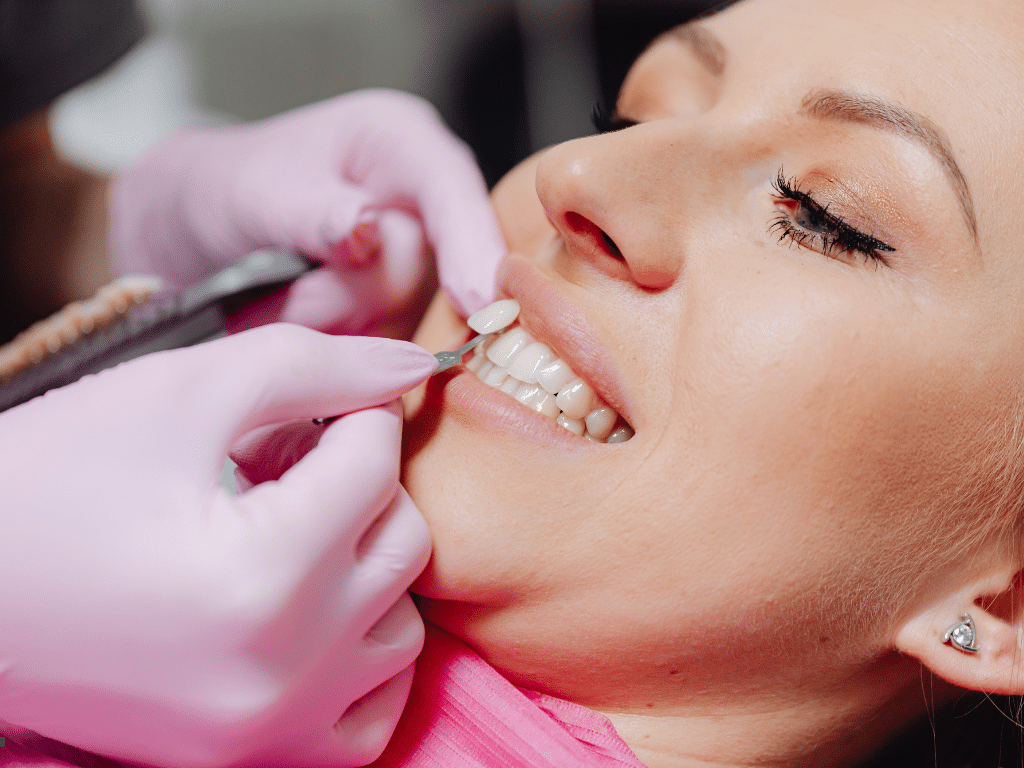
In the dental laboratory, your final restoration is crafted in two coordinated parts: the permanent abutment and the ceramic crown. While older practices relied on generic, pre-manufactured stock abutments, modern treatments prioritize custom-milled titanium or zirconia abutments. Custom abutments match the exact anatomical curvature of your gumline, preventing bacterial plaque traps and ensuring even stress distribution. Resting on top of this abutment is your custom crown, typically milled from high-translucency monolithic zirconia or lithium disilicate ceramic. Laboratory ceramists custom-glaze the material to mirror the subtle shades, highlights, and light-reflecting qualities of your surrounding natural teeth.
- Final Delivery, Bite Calibration, and Permanent Seating
The final delivery appointment is the exciting finish line of your implant journey. Your dentist removes the temporary healing component and seats the custom abutment and permanent crown onto the implant. The restoration is secured either with a miniature screw through an access hole that is invisibly sealed with composite resin, or with specialized implant cement. Your dentist checks every contact point with micro-thin articulating paper, refining your bite so that chewing forces are balanced evenly across the new crown. Once you inspect your new smile in the mirror and confirm that it looks and feels natural, your permanent tooth replacement is complete.
- Lifelong Home Hygiene, Flossing Protocols, and Routine Maintenance
While a dental implant is fabricated from titanium and medical-grade porcelain and can never develop a biological cavity, the living bone and gum tissue anchoring it remain vulnerable to inflammation and bacteria. Developing an effective long-term home-care routine protects your investment. You care for your implant much like a natural tooth—brushing twice daily with a soft-bristled toothbrush and non-abrasive paste. Because the biological seal around an implant is slightly different from that of a natural tooth root, your dentist will recommend specialized cleaning tools, such as an oral irrigator (water flosser), woven super floss, or interdental brushes. Paired with regular dental checkups and professional hygiene cleanings every six months, your implant can provide reliable function and confidence for a lifetime.
Conclusion
Replacing a missing tooth is one of the most beneficial investments you can make in your lifelong oral function, facial health, and personal confidence. While the journey involves several clinical phases, the predictability, high clinical success rates, and biological advantages of modern dental implants make them the premier tooth replacement option in contemporary dentistry.
By replacing both the invisible root within the jawbone and the visible crown above the gumline, dental implants stop bone resorption, protect neighbouring natural teeth from unnecessary drilling, and restore full chewing efficiency.
If you are dealing with a missing tooth, a failing dental restoration, or an uncomfortable removable bridge, take the first step toward lasting health. A thorough consultation with the experienced implant team at Rainbow Dental Centre will provide you with a clear, comfortable, and personalized roadmap to a complete, beautiful smile.
Start Your Dental Implant Journey at Rainbow Dental Centre
Ready to discover how dental implants can permanently restore your bite, protect your jawbone, and revitalize your smile? The skilled and compassionate dental team at Rainbow Dental Centre in Angus, Ontario, combines advanced 3D digital diagnostics with gentle, personalized care. Contact our clinic today to book your comprehensive implant consultation!
- Name: Rainbow Dental Centre
- Address: 1 Water Street, Angus, Ontario L0M 1B0
- Phone: 705 424 0873
- Email: angusrainbowdental@gmail.com
- Website: angusrainbowdental.ca
Rebuilding your smile from root to crown with permanent strength, biological harmony, and natural beauty.
-
A1. No. The procedure is performed under local freezing, which ensures the surgical area is completely numb. Most patients report feeling only light vibration and gentle pressure during placement. In fact, many individuals find that placing an implant involves less post-operative tenderness than having a tooth extracted. Over-the-counter pain relievers and ice packs are usually all that is needed to stay comfortable for the first 48 to 72 hours.